
SHOWING ITEMS 61-75 of 107
-

ResinTech MBD-20 Type 2 Anion Mixed Bed Resin, 1 Cubic Foot
MSRP: $590.00Your Price: $472.00 -

ResinTech MBD-16-SC Mixed Bed Resin, Semiconductor Grade, 1 Cubic Foot
MSRP: $758.10Your Price: $514.43 -

ResinTech MBD-ULTRA Mixed Bed Resin, Semiconductor Grade - Low TOC, 1 Cubic Foot
MSRP: $671.25Your Price: $513.00 -

ResinTech MBD-15-LTOC Mixed Bed Resin, Semiconductor Grade - Low TOC, 1 Cubic Foot
MSRP: $517.50Your Price: $346.06 -

ResinTech MBD-15-SC Mixed Bed Resin, Semiconductor Grade, 1 Cubic Foot
MSRP: $452.50Your Price: $303.19 -

ResinTech MBD-15 Mixed Bed Resin, Nuclear Grade, 1 Cubic Foot
MSRP: $425.63Your Price: $285.69 -

ResinTech MBD-10-LTOC Mixed Bed Resin, Semiconductor Grade - Low TOC, 1 Cubic Foot
MSRP: $517.50Your Price: $346.06 -

ResinTech MBD-10-SC Mixed Bed Resin, Semiconductor Grade, 1 Cubic Foot
MSRP: $452.50Your Price: $303.19 -

ResinTech MBD-10 Mixed Bed Resin, High Purity Grade, 1 Cubic Foot
MSRP: $425.63Your Price: $285.69 -

ServAPure Mixed Bed DI Resin, Bulk, 0.5 cu ft, SAP-MB50, for Spot-Free Water
MSRP: $155.00Your Price: $121.00 -

ResinTech MBD-30 Color Changing Mixed Bed Resin, 1 Cubic Foot
MSRP: $433.75Your Price: $347.00 -

ResinTech R-ASM-10-HP Arsenic Reduction Resin, 1 Cubic Foot
MSRP: $1,071.25Your Price: $857.00 -

ServAPure Mixed Bed DI Resin, Bulk, 1.0 cu ft, SAP-MB100, for Spot-Free Water, previously SAP-MB-450-CF
MSRP: $295.00Your Price: $210.00 -

Nelsen Corporation Fine Mesh Softener Resin, FINEMESH-100-BOX, 1 Cubic Foot Box
MSRP: $329.67Your Price: $219.56 -

Nelsen Corporation Cation Resin, CATION-100-BOX, 1 Cubic Foot Box
MSRP: $299.46Your Price: $199.64
How Ion Exchange Resins Work in Water Purification Systems
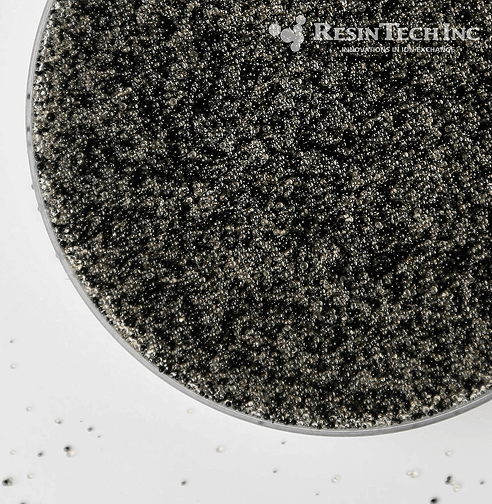
Ion exchange resin functions by swapping unwanted dissolved ions in water – such as calcium, magnesium, or nitrate – for ions held on the surface of the resin beads. These beads are made from porous polymers that carry either positive or negative charges, depending on whether they're used for cation or anion exchange.
As water flows through the resin bed, ions are removed from the stream and replaced with less reactive ones, such as hydrogen or hydroxide. This process is essential for reducing conductivity and preparing water for sensitive applications.
In most water purification systems, ion exchange is positioned after pre-filtration and before final polishing stages.
Choosing the Right Ion Exchange Resin for Your System Requirements
Not all ion exchange resins perform the same, and using the wrong type can lead to inefficiency, fouling, or poor water quality. The right choice depends on the ions you're targeting, your system setup, and the purity levels required.
When finding your preferred resin, you need to consider the following factors:
- Resin Type: Cation resins remove positively charged ions like calcium and iron, while anion resins capture negatively charged ions such as chloride or sulfate
- Bed Configuration: Choose between mixed bed resins for high-purity applications or separate beds when regeneration is done in-house
- Crosslink Percentage: Higher crosslink levels increase chemical resistance and extend service life, especially in demanding systems
- Capacity and Volume: Match resin volume to your system's flow rate and exchange demand to avoid early exhaustion
- Resin Quality: Work with trusted ion exchange resin suppliers to ensure consistency, traceability, and performance
When you choose the right ion exchange resin, you're putting system efficiency and performance first.
Industrial Applications That Depend on Ion Exchange Resin Performance
Industries that rely on process water demand precision from their ion exchange resins. In power generation, resin beds treat feedwater by removing hardness and silica, protecting boilers and turbines from mineral buildup.
Pharmaceutical production uses ion exchange resins for water purification to meet stringent standards for injectable formulations and rinse procedures.
Additionally, food and beverage processing depends on resin systems to control mineral content that can affect product consistency, taste, or shelf stability. In electronics and metal finishing, even trace ionic contamination can disrupt manufacturing, making resin quality a direct factor in operational success.
FAQs About Ion Exchange Resins for Water Purification
What types of ion exchange resins does Serv-A-Pure offer?
There are cation, anion, and mixed-bed ion exchange resins, each designed to remove specific dissolved ions based on their charge. Resin selection depends on the contaminants present and the purity required.
How do I know if I need mixed-bed or separate-bed resin?
Mixed-bed resins are typically used in applications requiring very high purity, while separate beds are preferred for systems with in-house regeneration. The choice depends on your water quality goals and maintenance capabilities.
How long does resin last before needing replacement?
Most ion exchange resins last from six months to several years, depending on usage, water quality, and regeneration frequency. Regular monitoring of the output water can help determine when performance begins to drop.
Are all ion exchange resin suppliers the same?
Absolutely not! Ion exchange resin suppliers vary in quality, consistency, and technical support. Working with a trusted supplier ensures you get reliable resin backed by proper documentation and application expertise.
Contact Our Team to Find the Right Ion Exchange Resin for Your Application
Get the right ion exchange resin for your system with support from a team that understands water purification inside and out.
Contact us today for product guidance, sourcing options, and technical recommendations tailored to your application.
Contact Us Now to Get Started